NotiBus — Confidence in Commuting with Real-Time Bus Tracking

NotiBus is a mobile app designed to help students and daily commuters catch their bus on time, so there's no more waiting around.
Waiting for public transport can be a real headache. Between unreliable schedules and constantly checking maps, it's easy to get stressed out, miss your bus, and feel that everyday frustration.
I designed the main features for real-time bus tracking and smart reminders, so users always know their bus's exact arrival time and get timely alerts.
NotiBus became a reliable daily tool commuters could trust.

Company

Company

Kayyo AI training app

Kayyo AI training app

Category

Category

Mobile UX/Product Design

My Role

My Role

Lead Product & UX/UI Designer

Lead Product & UX/UI Designer

Deliverables

Deliverables

UX research, user flows, wireframes, visual design, usability iterations

UX research, user flows, wireframes, visual design, usability iterations

Context

Standing around, waiting for the bus, is a real pain since you never know when it's going to show up.

Existing transit apps typically:

  • Just show the fixed times.

  • Need constant checking.

  • Don't say for sure when it'll get here.

This uncertainty costs students and employees their time, focus, and peace of mind when they have tight routines.

The product goal was simple but impactful:

We help people catch their bus easily. They get real-time updates and helpful nudges so they always know when their bus is coming.
The everyday problem

Taking the bus is simply part of a daily commute, often just a routine thing.

  • They don't want to follow buses around.

  • They just don't want to study schedules.

  • Kids just don't want to stare at a map.

It is all about getting out the door at the right time to reach our destination when we are expected.

But the reality is different:

Schedules can be a real mess, arrival times are uncertain for them, and waiting is a real pain and it just eats up your time, you know? It’s truly something that makes you lose your patience.

The real problem wasn't transport, but figuring out where to begin. My dad thought this was a good sign; I disagreed.

It was uncertainty.

Understanding the commuters

That's a clever observation. I spoke to some people, students and workers, and it became clear something important.
They didn’t want a fancy transit app, they were looking for

That's a clever observation. I spoke to some people, students and workers, and it became clear something important.
They didn’t want a fancy transit app, they were looking for

Confidence

Confidence

What they really wanted to know was:

  • "How far is my bus?"

  • "Should I leave now?"

  • Can I make it on time?

  • "How far is my bus?"

  • "Should I leave now?"

  • Can I make it on time?

?

?

Nobody wants to keep checking their phone, that idea changed everything about the product.

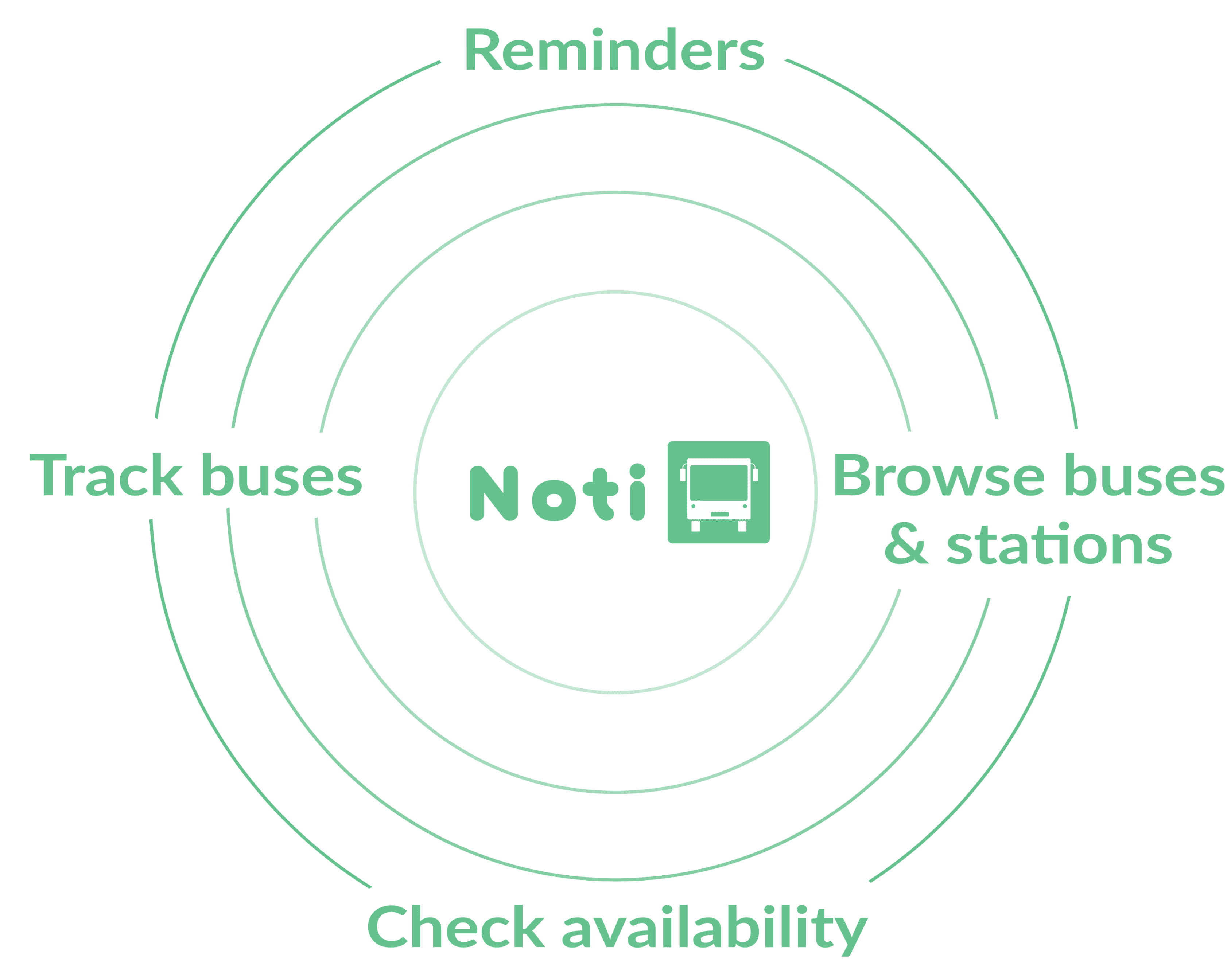
NotiBus can be more than just routes and maps, It's all about being sure and hitting the right moment.

Shaping the experience

With that in mind, the experience had to feel effortless.

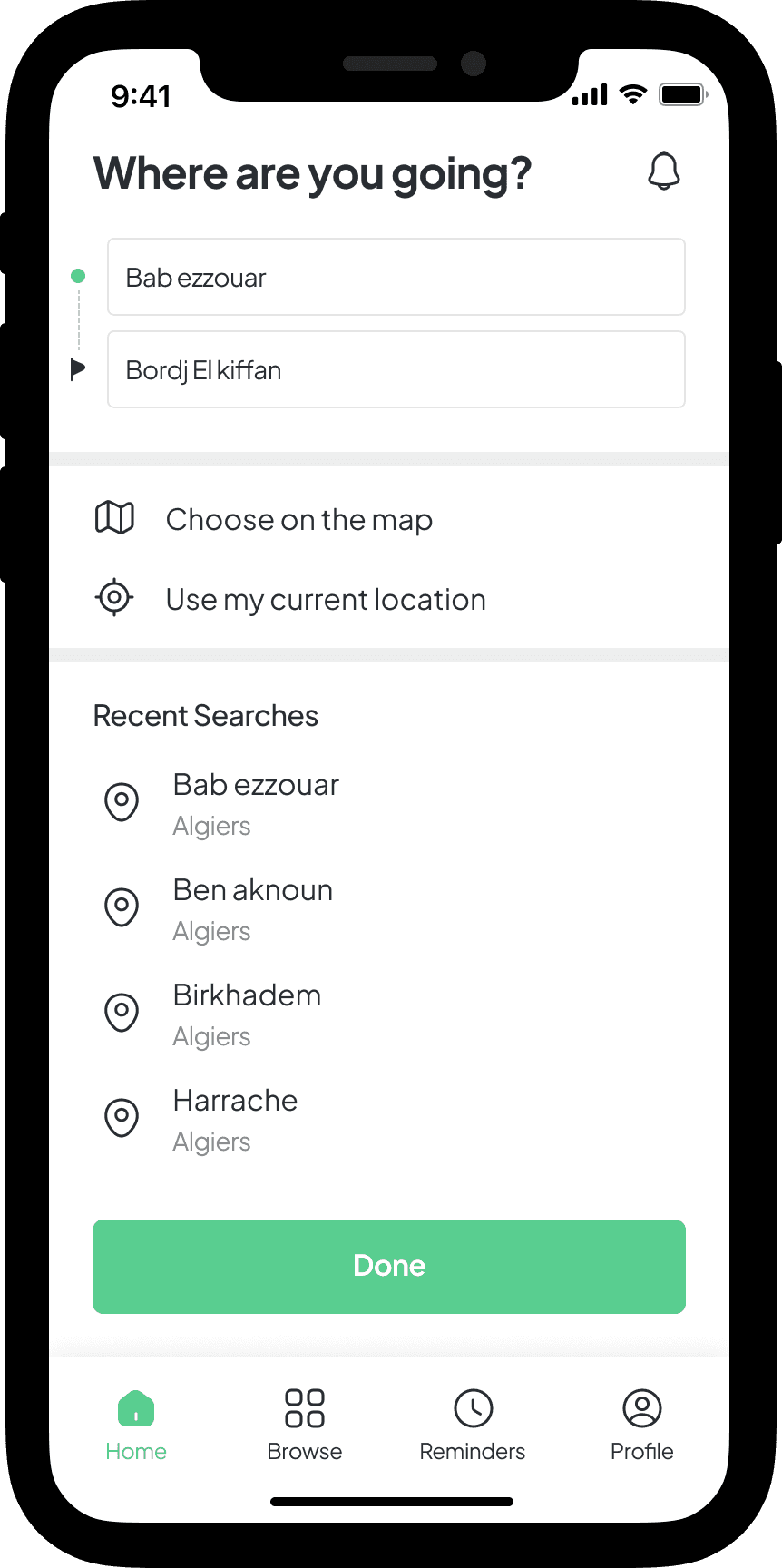
The flow became simple:

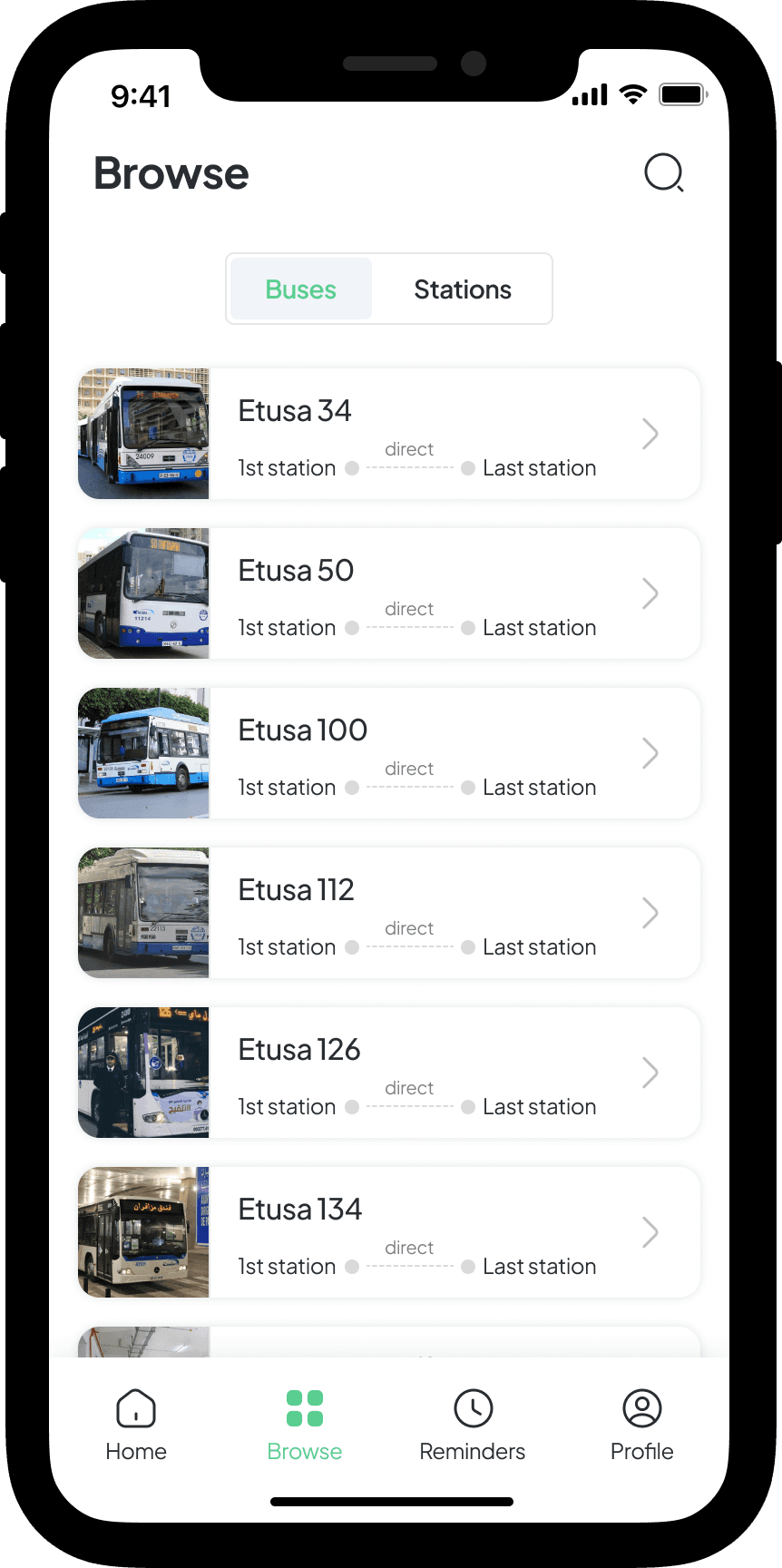
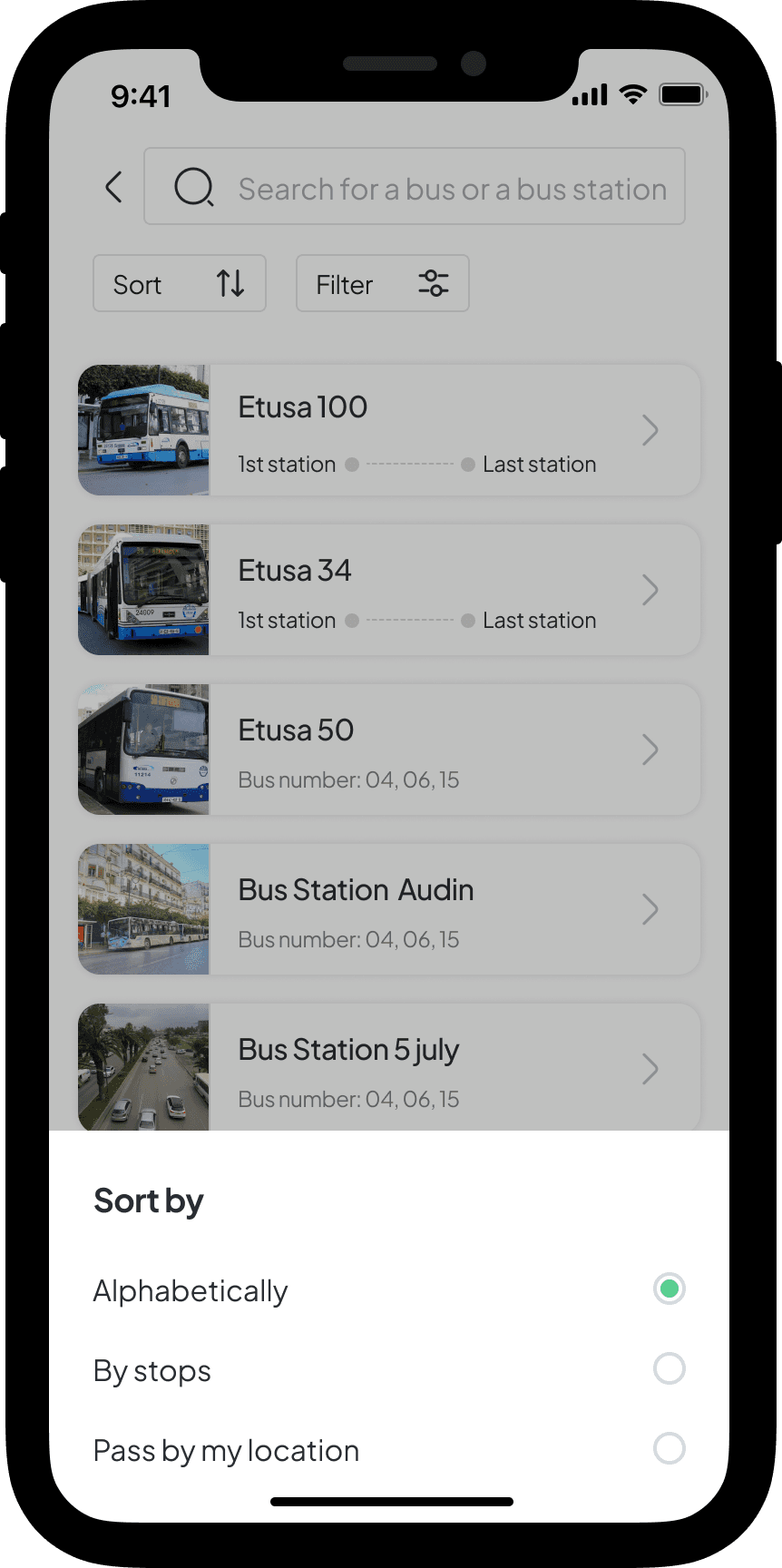
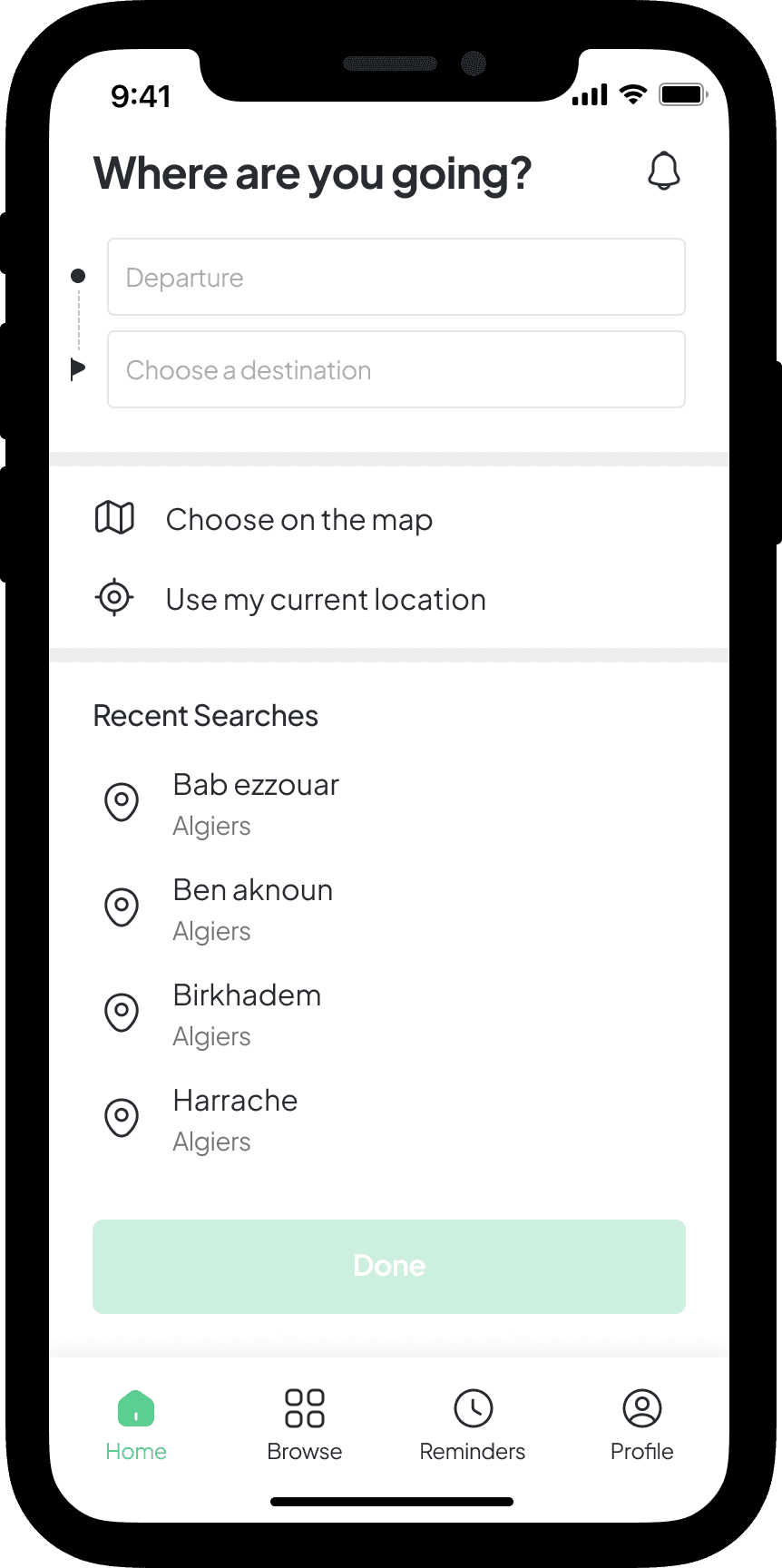
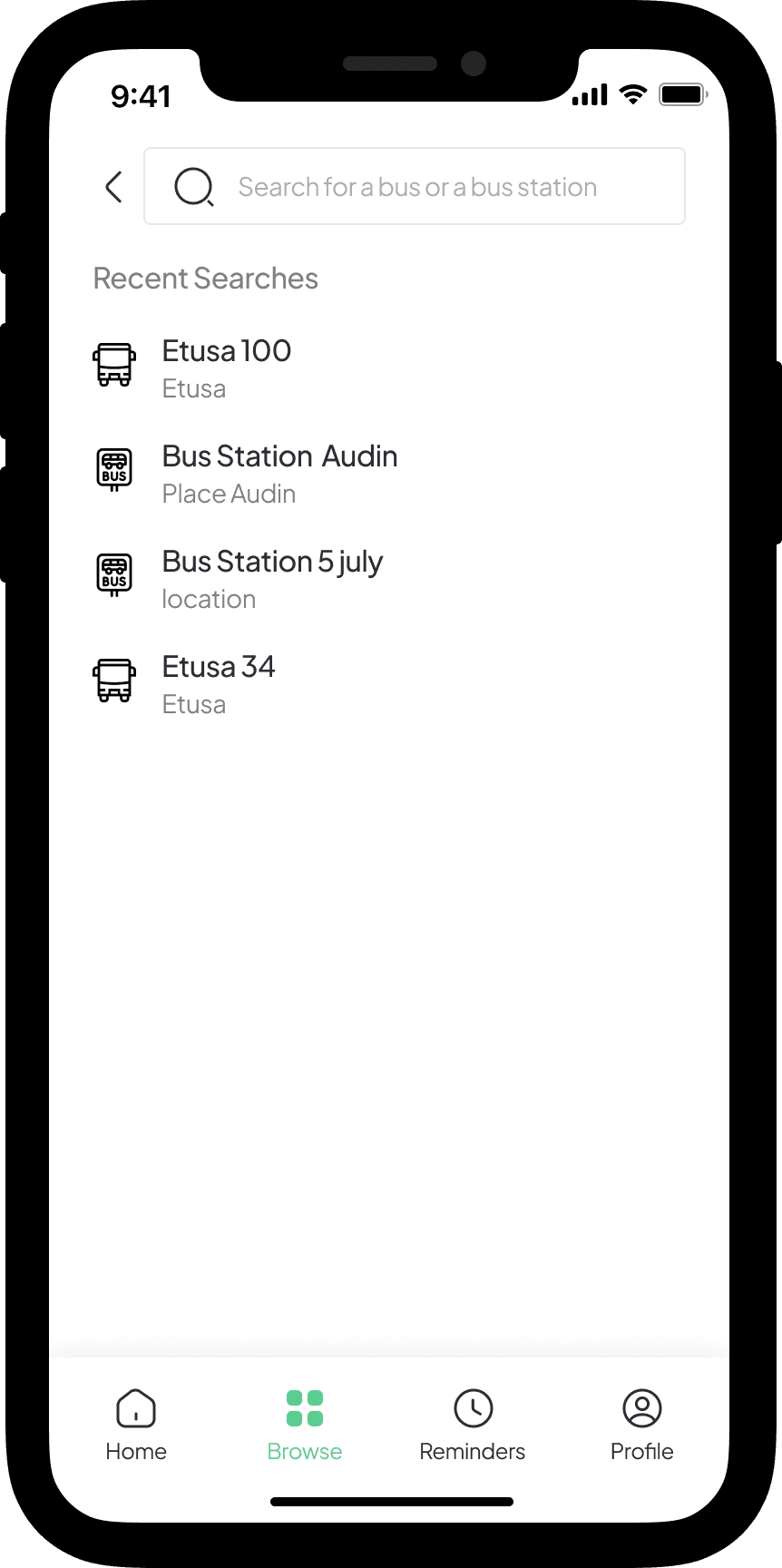
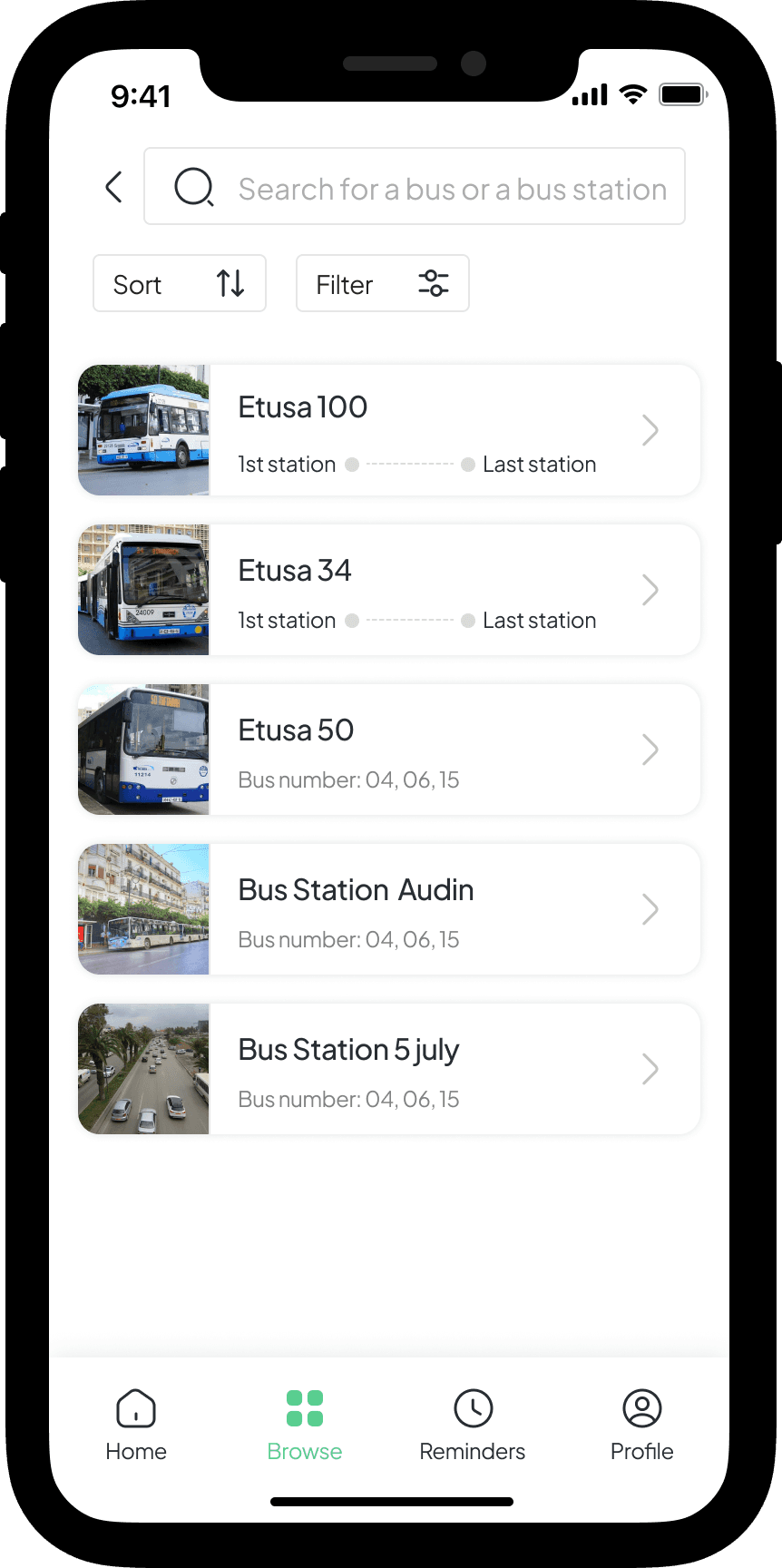
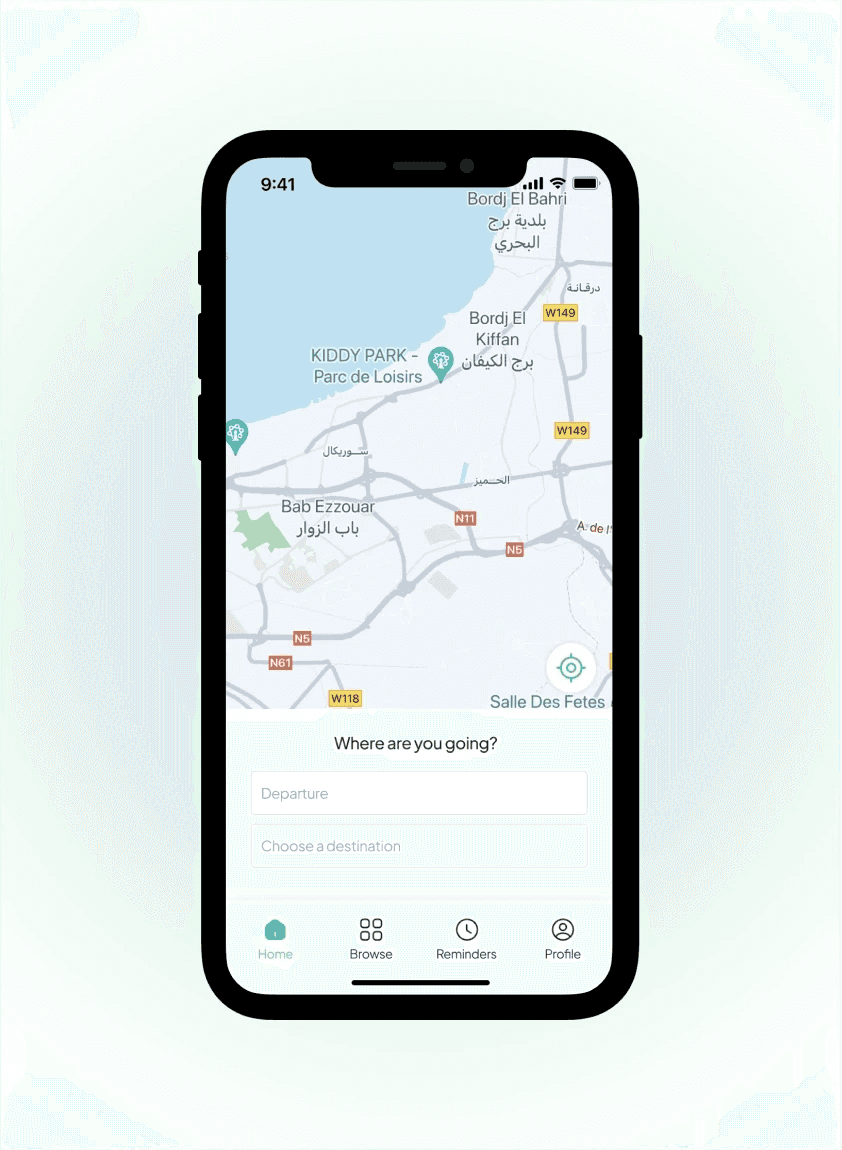
  1. Find your route

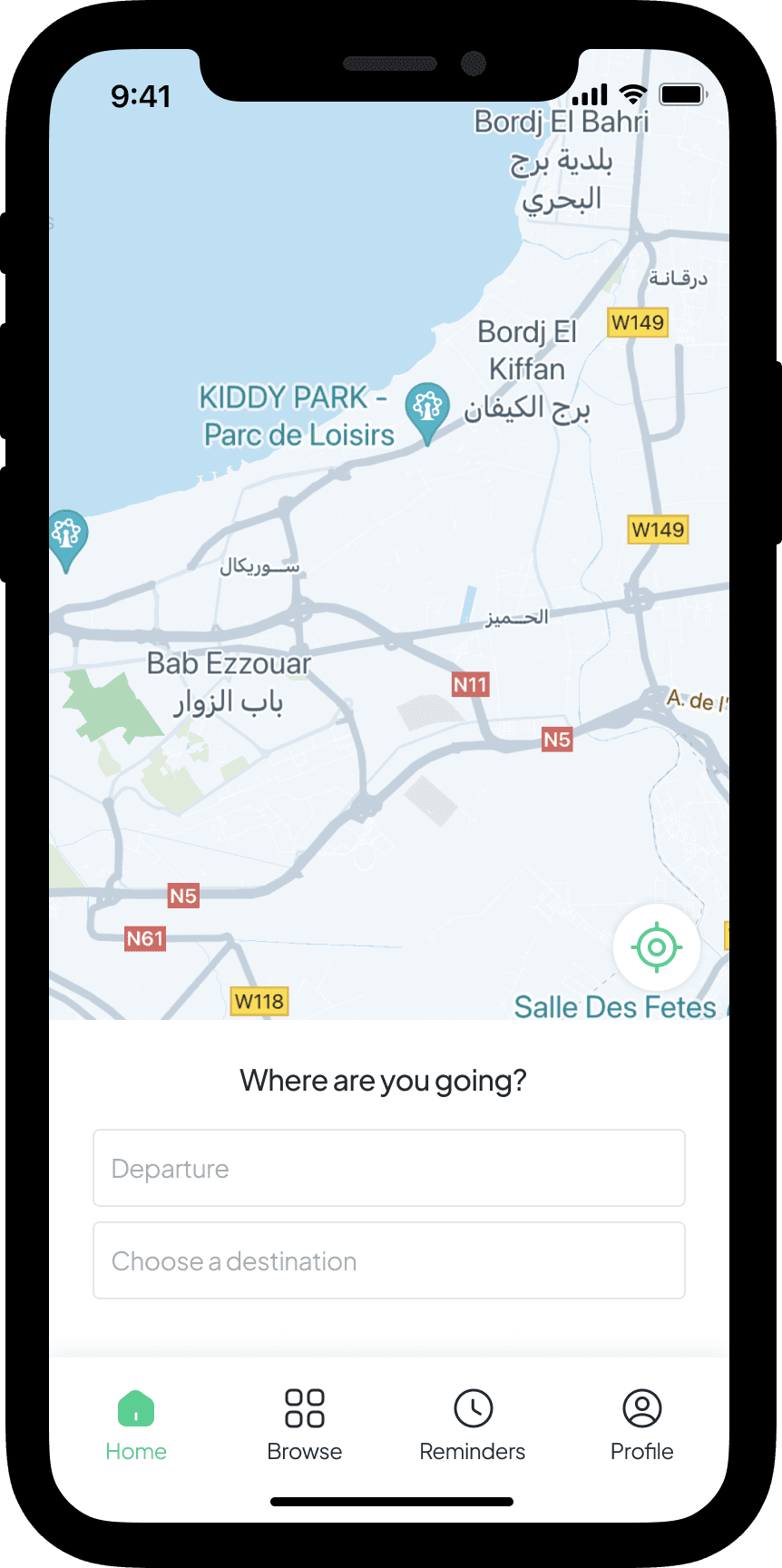
  2. See exactly where the bus is

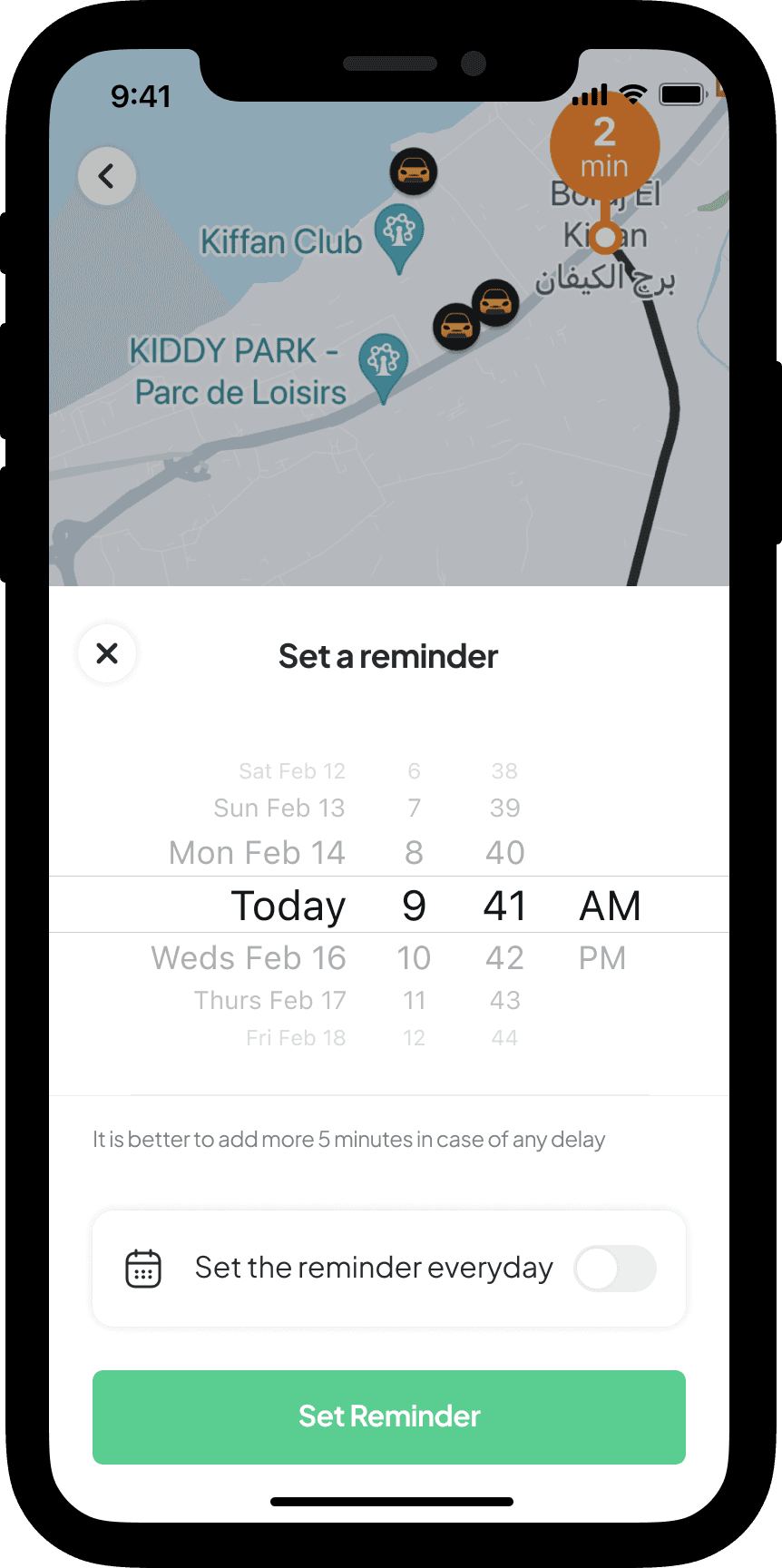
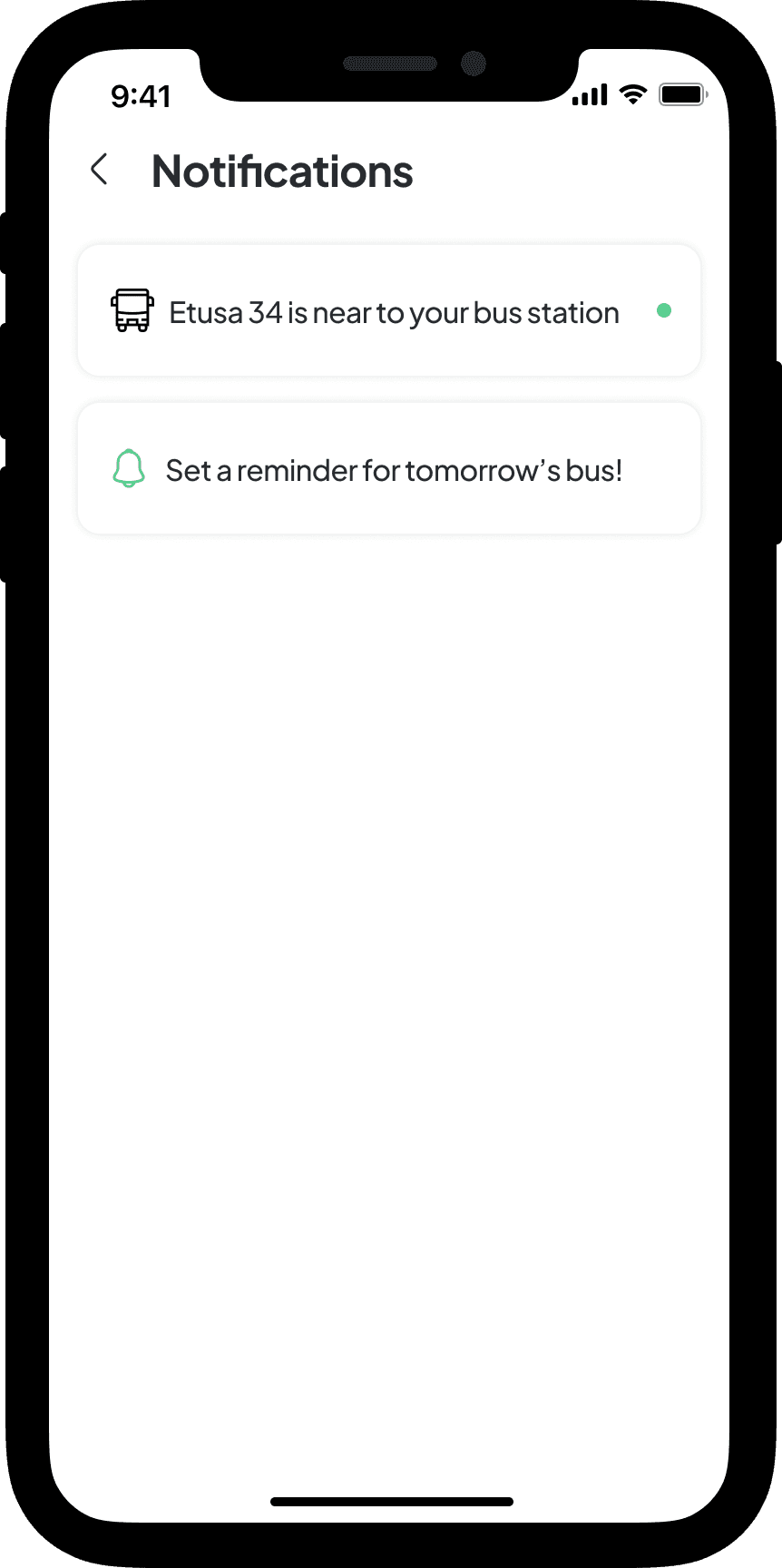
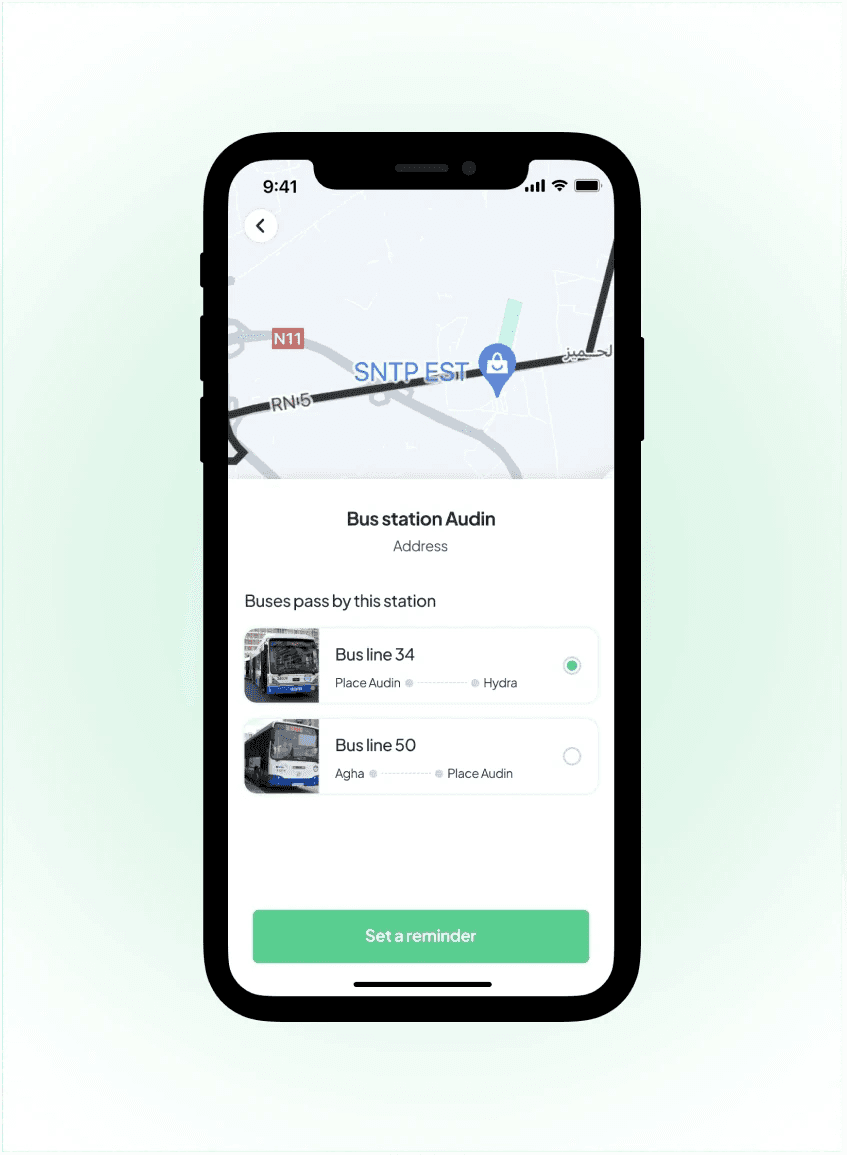
  3. Get notified before it arrives

  4. Save it for next time

No learning curve., no exploration… Just immediate usefulness.

NotiBus can be more than just routes and maps, It's all about being sure and hitting the right moment.

Every screen was designed to answer one question:

“Do I need to leave now?”

“Do I need to leave now?”

Design decision that mattered

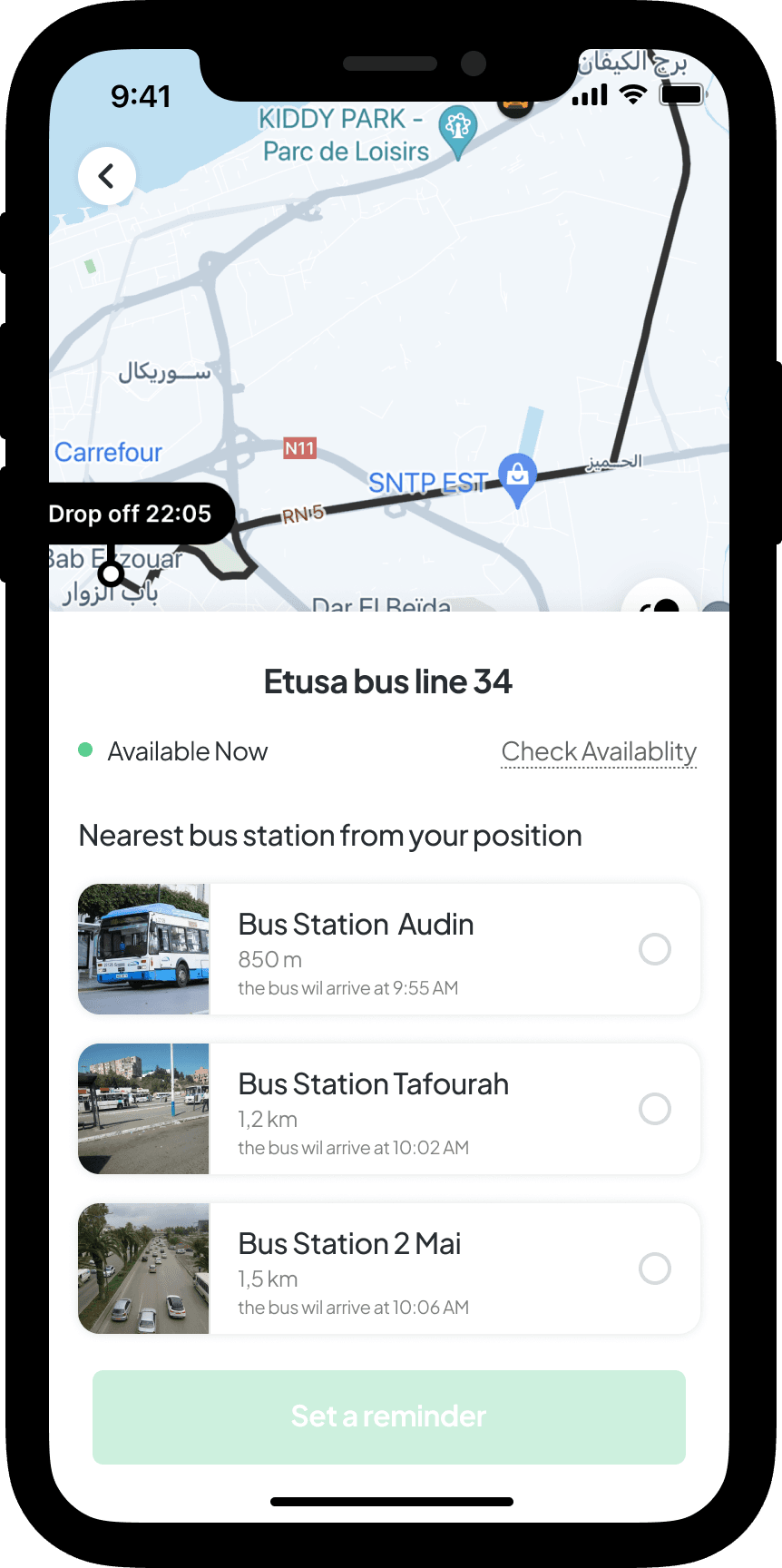
Showing the bus in motion

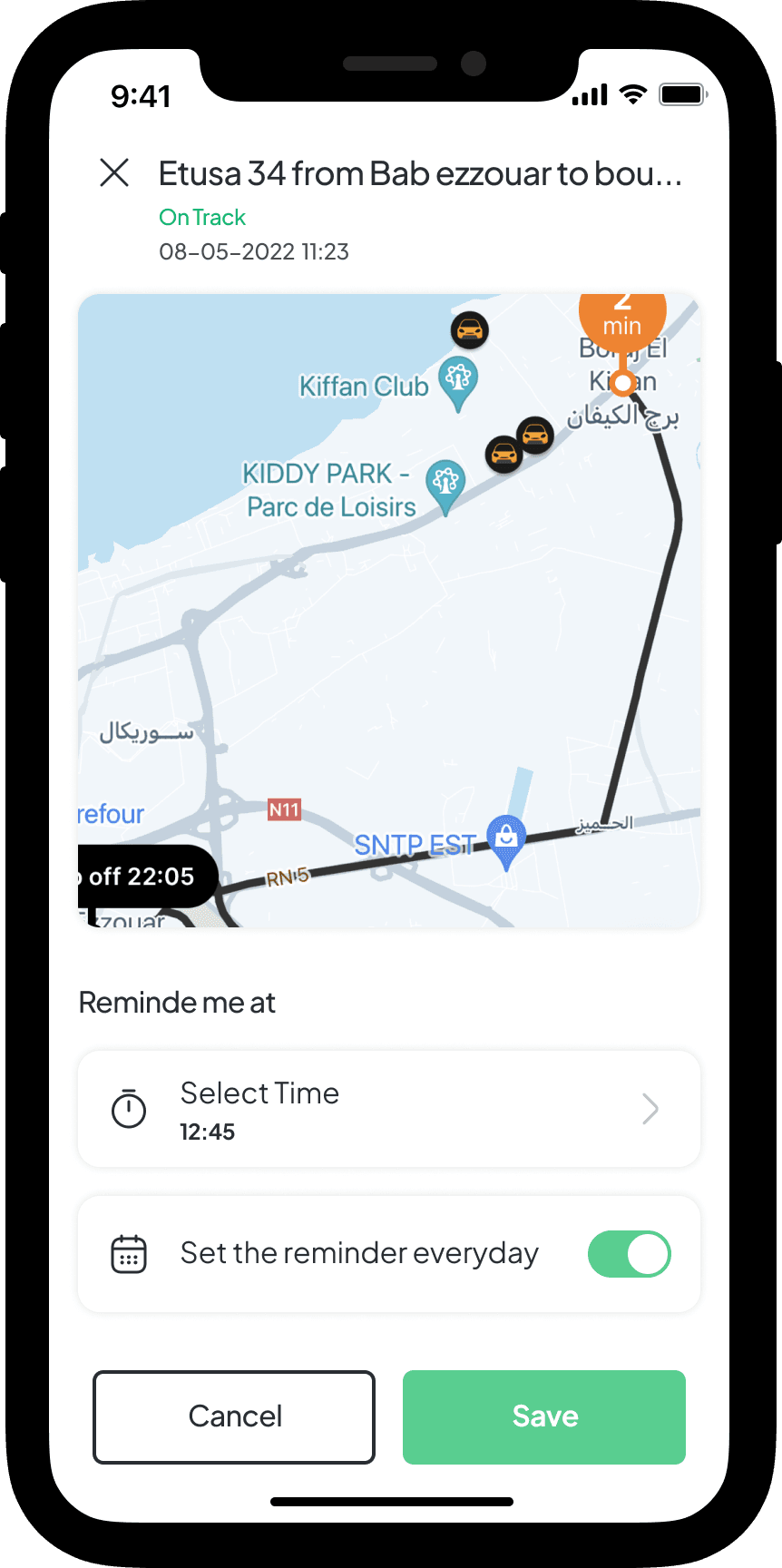
Watching the bus move live with an exact arrival time really took away all the guesswork."You didn't have to guess what time things were happening; you could just see it."See exactly where the bus is

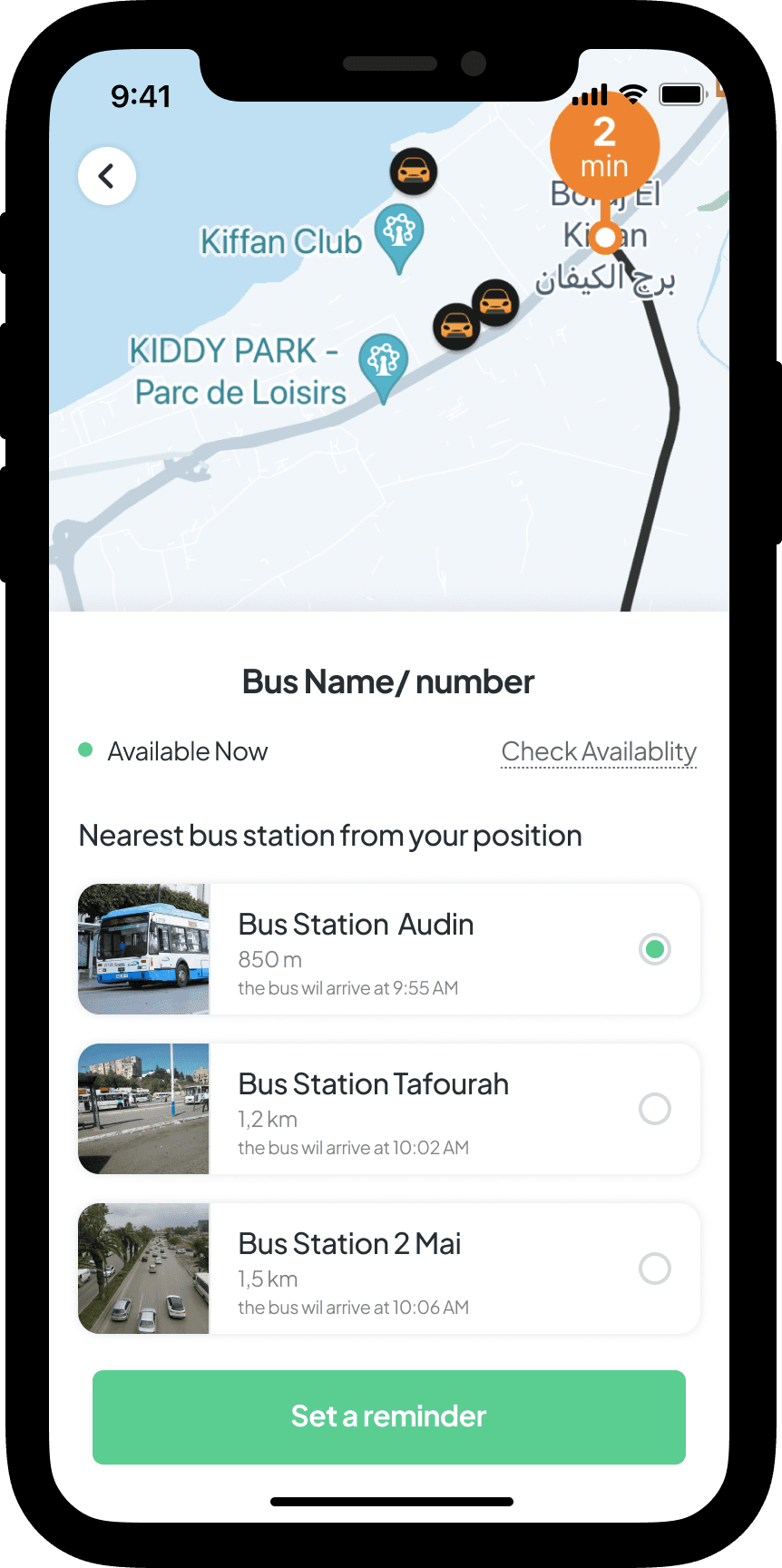
Notifications instead of monitoring

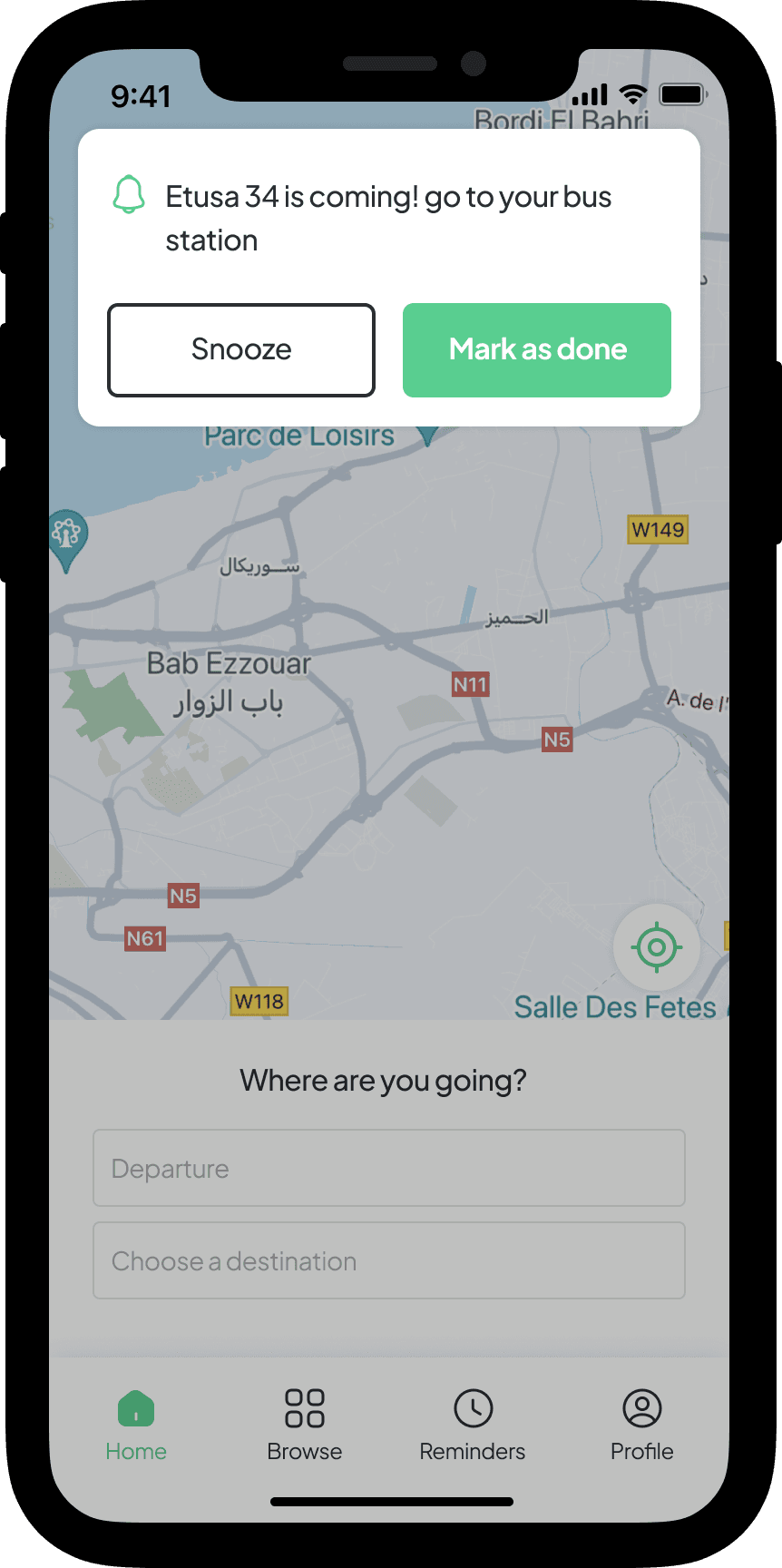
Instead of making people keep the app open, reminders made all the difference.The app silently ran, giving users timely alerts.

Saving familiar routes

Every day, most people commute the same routes.Saving routes made NotiBus a daily go-to.

What this changed

For Users

During testing, a pattern appeared.

Users stopped saying:

“Let me check the bus”

Users stopped saying:

“Let me check the bus”

“Let me check the bus”

And started saying:

“NotiBus will tell me when to leave”

For the Product

By focusing on certainty instead of features, NotiBus gained:

  • Daily relevance

  • Repeat usage through saved routes

  • A clear value proposition different from typical transit apps

The product wasn’t trying to do everything, It was solving one problem extremely well.

UX PROCESS
Discover Phase

Qualitative Research

We interviewed 5 potential users over phone calls and online meets to understand the challenge they face with the transportation.

We interviewed 5 potential users over phone calls and online meets to understand the challenge they face with the transportation.

Key insights derived from the interviews

- They need to know which buses take them to their destination

-People spend long time waiting for the bus

-They wait for the next bus if they miss the bus

-they don’t know the bus stations in their area they live or they want to go to

- They need to know which buses take them to their destination

-People spend long time waiting for the bus

-They wait for the next bus if they miss the bus

-they don’t know the bus stations in their area they live or they want to go to

Quantitative Research

We did an online survey using Google Forms to observe any pattern and similarity in what the potential users may want. a total of 12 people responded which assisted us in frame problem correctly

We did an online survey using Google Forms to observe any pattern and similarity in what the potential users may want. a total of 12 people responded which assisted us in frame problem correctly

Where do you live?

City

90.9%

Town

9.1%

Do you use the bus to go

to college/work?

Yes

72.7%

No

27.3%

Do you know when the bus arrives at your current bus station?

Yes

72.7%

No

27.3%

How far is the nearest bus

station from where you live?

Very near

27.3%

Near

54.5%

Far

18.2%

Very far

0%

Does your phone always

connected with the internet?

Yes

63.6%

No

36.4%

Are you comfortable with tracking your location so we can notify you about when the bus almost arrives?

Yes

100%

No

0%

Where do you live?

City

90.9%

Town

9.1%

Do you use the bus to go

to college/work?

Yes

72.7%

No

27.3%

Do you know when the bus arrives

at your current bus station?

Yes

72.7%

No

27.3%

How far is the nearest bus

station from where you live?

Very near

27.3%

Near

54.5%

Far

18.2%

Very far

0%

Does your phone always

connected with the internet?

Yes

63.6%

No

36.4%

Are you comfortable with tracking your

location so we can notify you about

when the bus almost arrives?

Yes

100%

No

0%

Key insights derived from the survey

- Most of them use the bus as the main tool for transportation

- People doesn’t know when the bus arrives to their station

- Most of them connected to the internet

- Usually they live near to the bus station

- Most of them use the bus as the main tool for transportation

- People doesn’t know when the bus arrives to their station

- Most of them connected to the internet

- Usually they live near to the bus station

Brainstorming

Based on the user interviews and online survey we started brainstorming on the important features that we can offer in the application

Based on the user interviews and online survey we started brainstorming on the important features that we can offer in the application

Define Phase

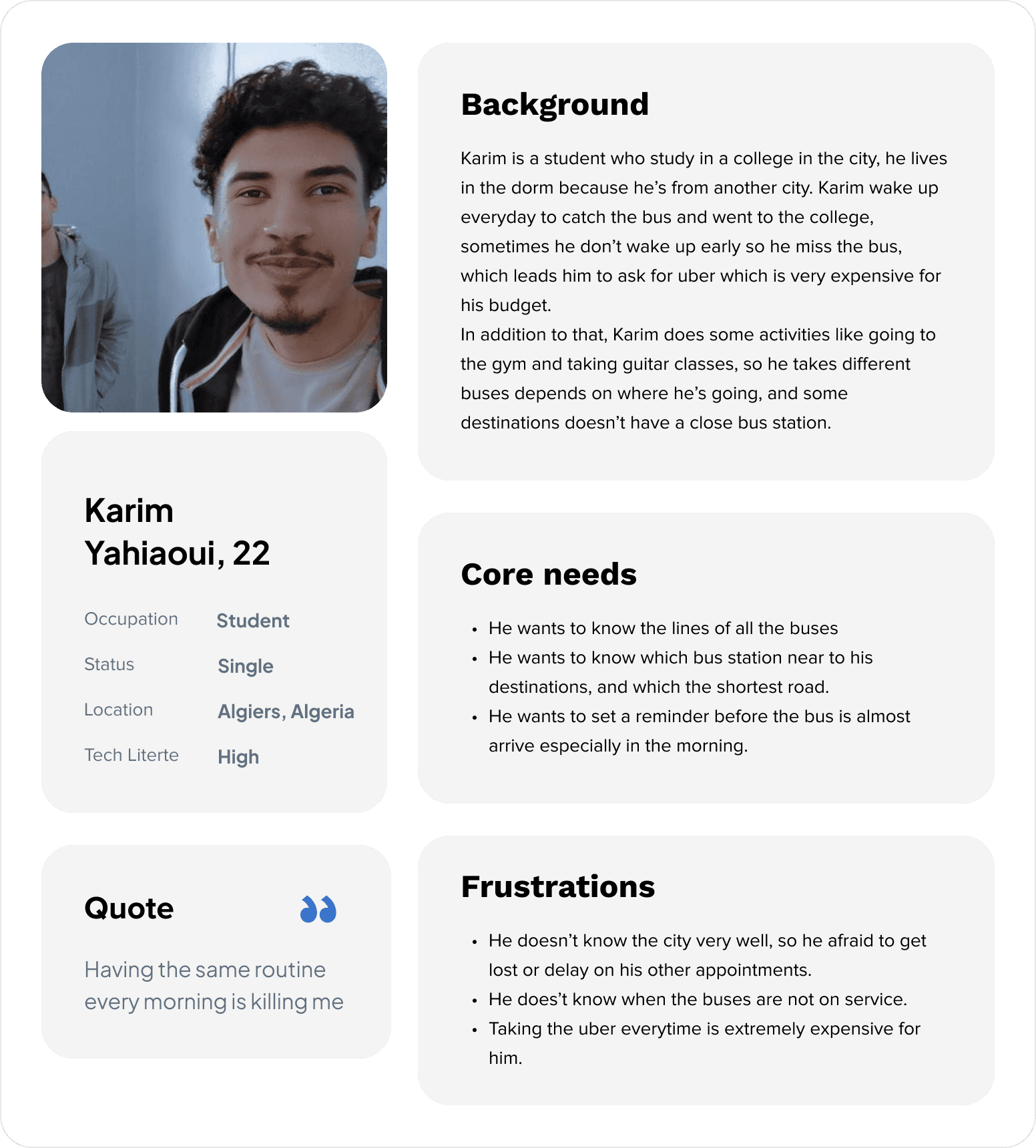
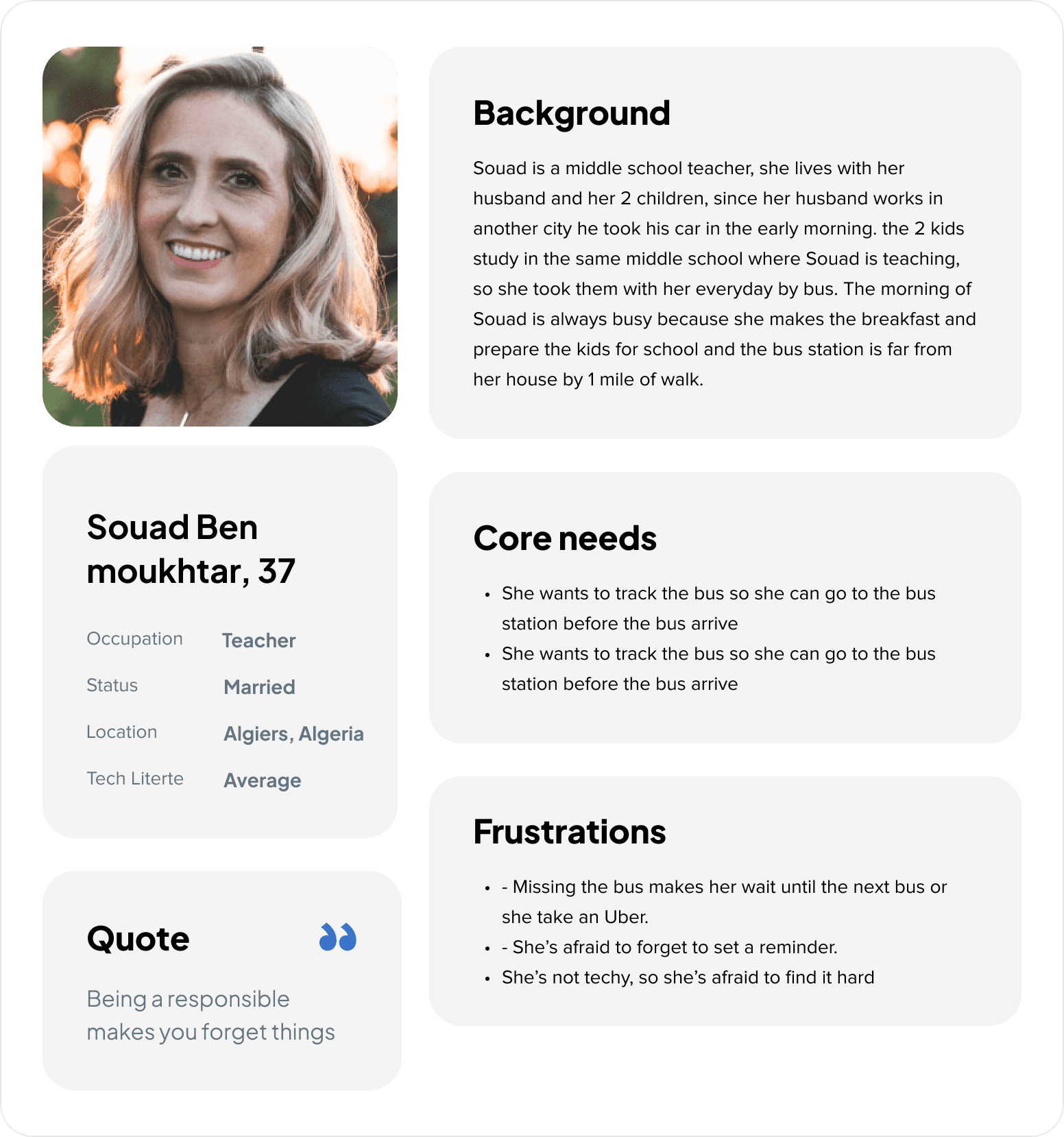
Personas

With the data collected from the user interviews and online survey, I created a persona representing an ideal user of the application. the persona helped me arrive at better solutions as it gave an in-depth understanding of the user need and goals and frustrations and the overall personality.

With the data collected from the user interviews and online survey, I created a persona representing an ideal user of the application. the persona helped me arrive at better solutions as it gave an in-depth understanding of the user need and goals and frustrations and the overall personality.

Say

"My schedule is always busy, I can't miss the bus because that will affect my plan for today"

"They hate waiting so long for the bus in the bus station"

"Sometimes I forget to set a reminder"

Do

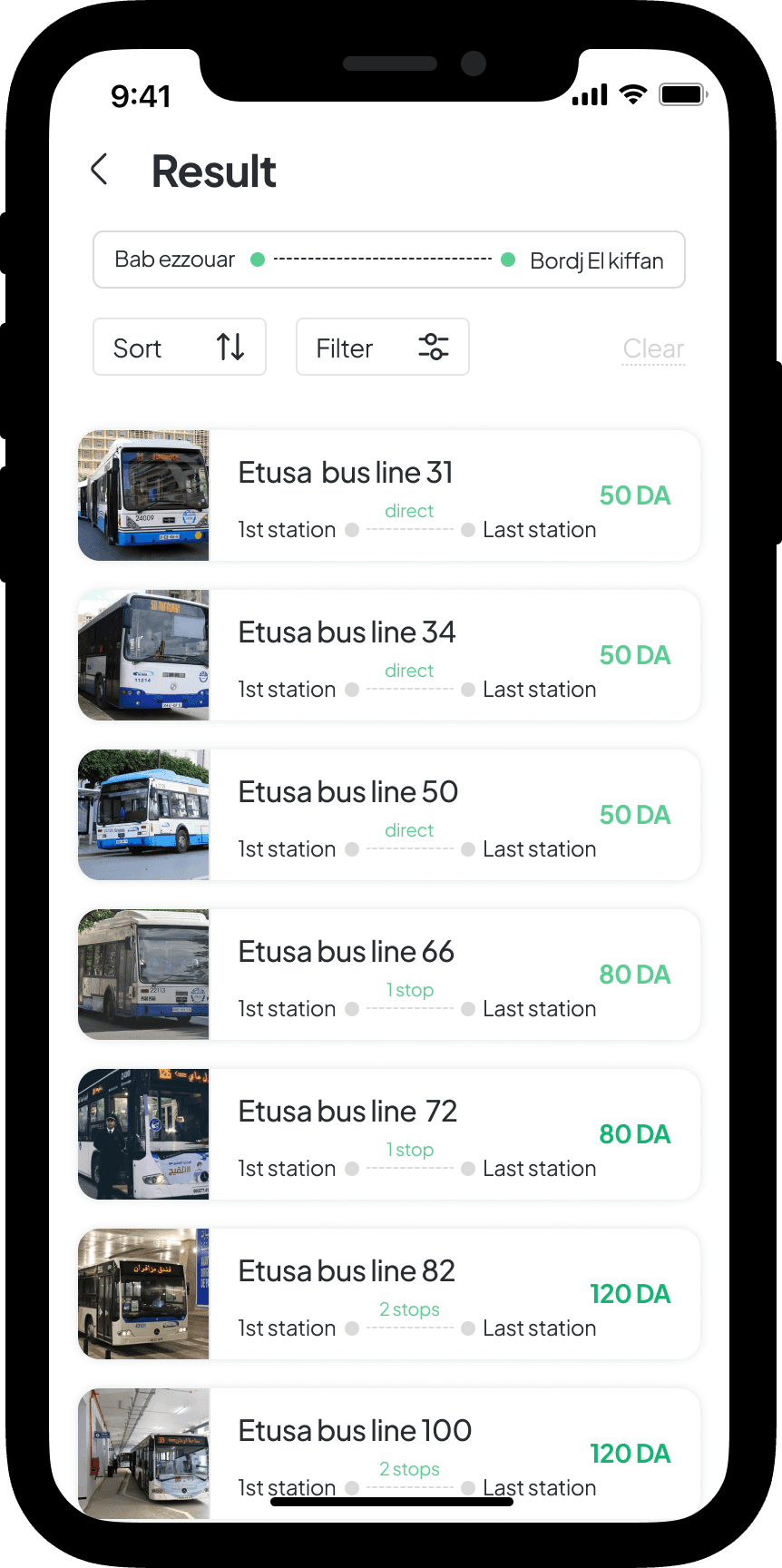
List of all buses and their lines

Check the availability in a specific time

Map with all bus stations

Select destination

Track buses

Save buses

Think

"I hope there's something reminds me to set a reminder for my bus, because I always forget to set an alarm"

"It would be awesome if I can track the bus, and if it is on service or not"

"If this help me to choose which bus station is the neqrest one to my destination it will be awesome!"

Feel

Hopeful that she finds a solution for her problems

Uncertainty to finding the process easy

Excitement to try something new

Empathy Map

This process was done to define the target audience with more clarity, as well as illustrate their needs and actions. Empathy mapping helped me gain perspective on their thoughts and feelings the data in the empathy map are based on insights from user interviews

This process was done to define the target audience with more clarity, as well as illustrate their needs and actions. Empathy mapping helped me gain perspective on their thoughts and feelings the data in the empathy map are based on insights from user interviews

Say

"My schedule is always busy, I can't miss the bus because that will affect my plan for today"

"They hate waiting so long for the bus in the bus station"

"Sometimes I forget to set a reminder"

Do

List of all buses and their lines

Check the availability in a specific time

Map with all bus stations

Select destination

Track buses

Save buses

Think

"I hope there's something reminds me to set a reminder for my bus, because I always forget to set an alarm"

"It would be awesome if I can track the bus, and if it is on service or not"

"If this help me to choose which bus station is the neqrest one to my destination it will be awesome!"

Feel

Hopeful that she finds a solution for her problems

Uncertainty to finding the process easy

Excitement to try something new

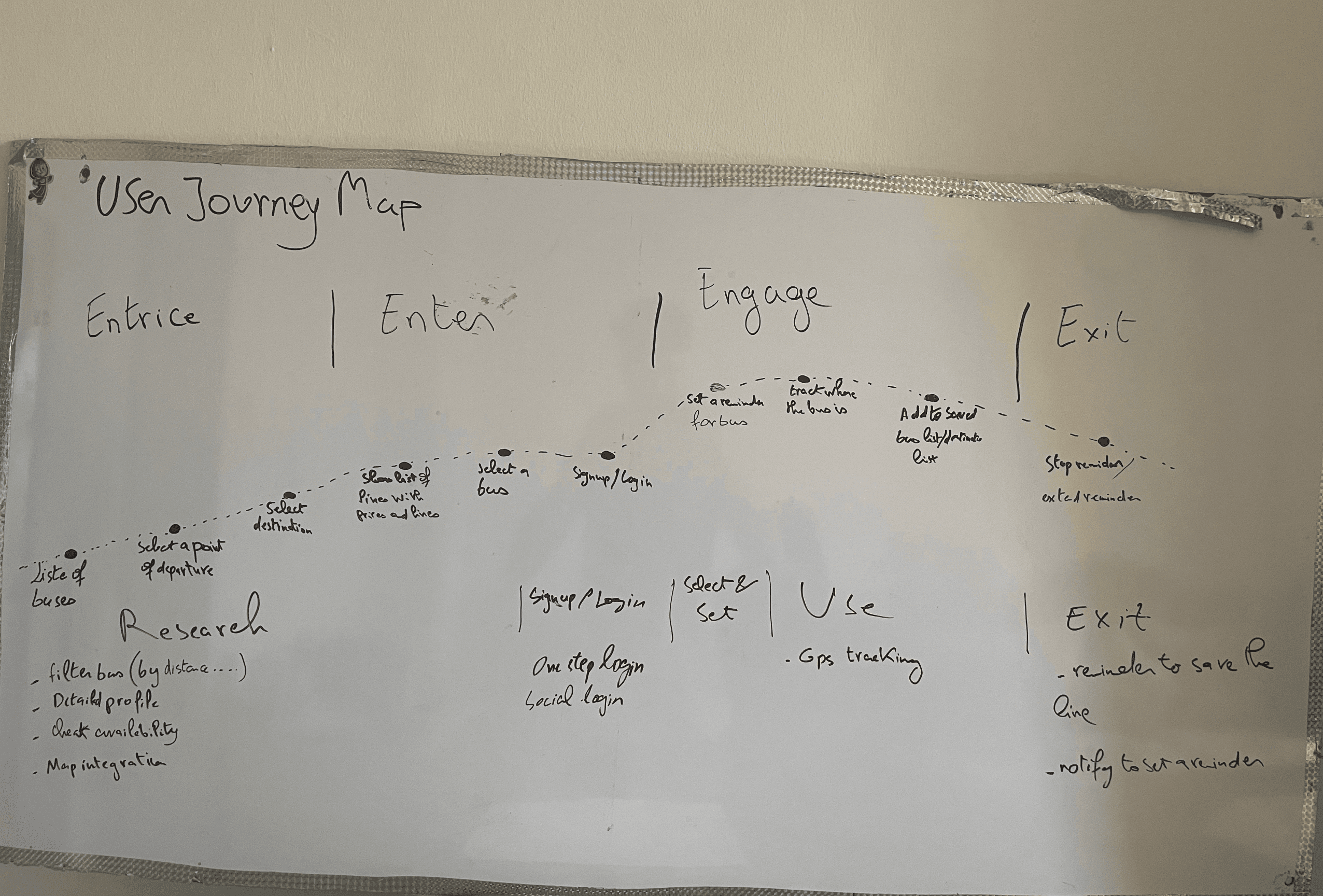
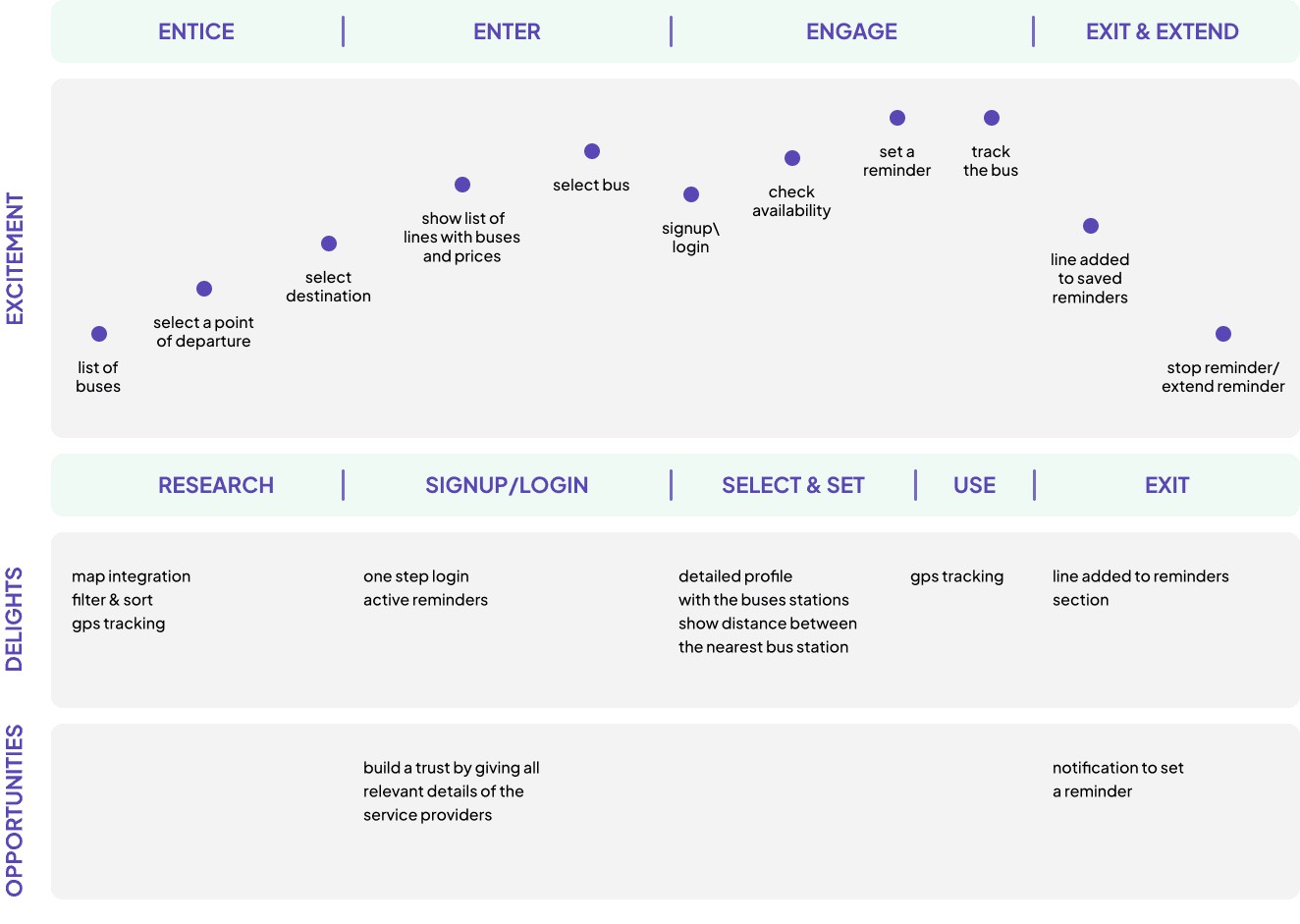
User Journey Map

We made a visual representation of the user’s journey across all touch points of our application to understand where we can improve the user experience.

We made a visual representation of the user’s journey across all touch points of our application to understand where we can improve the user experience.

Ideate Phase

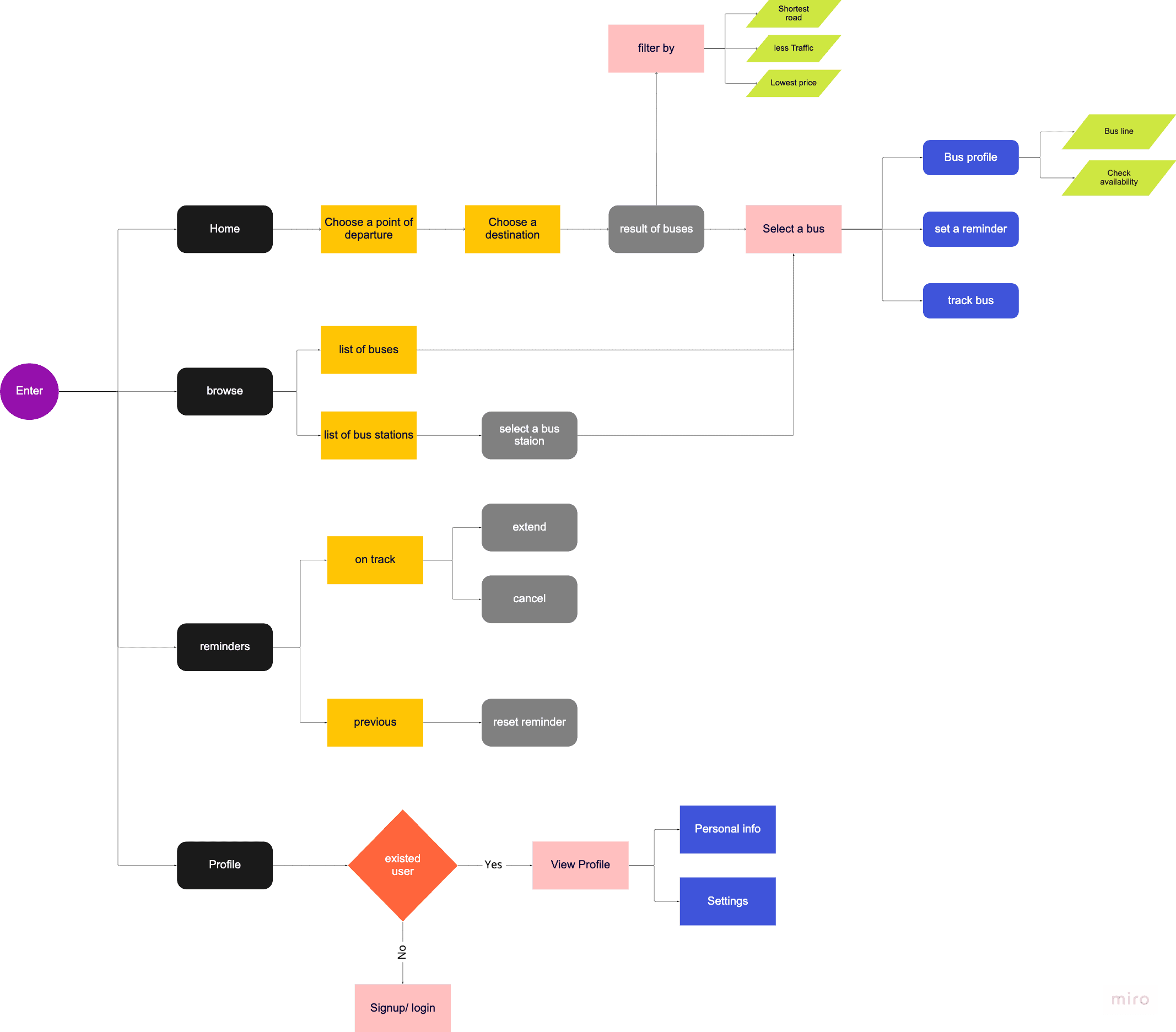
User Flow

We created a flow using Miro to illustrate how the user will navigate through the application

We created a flow using Miro to illustrate how the user will navigate through the application

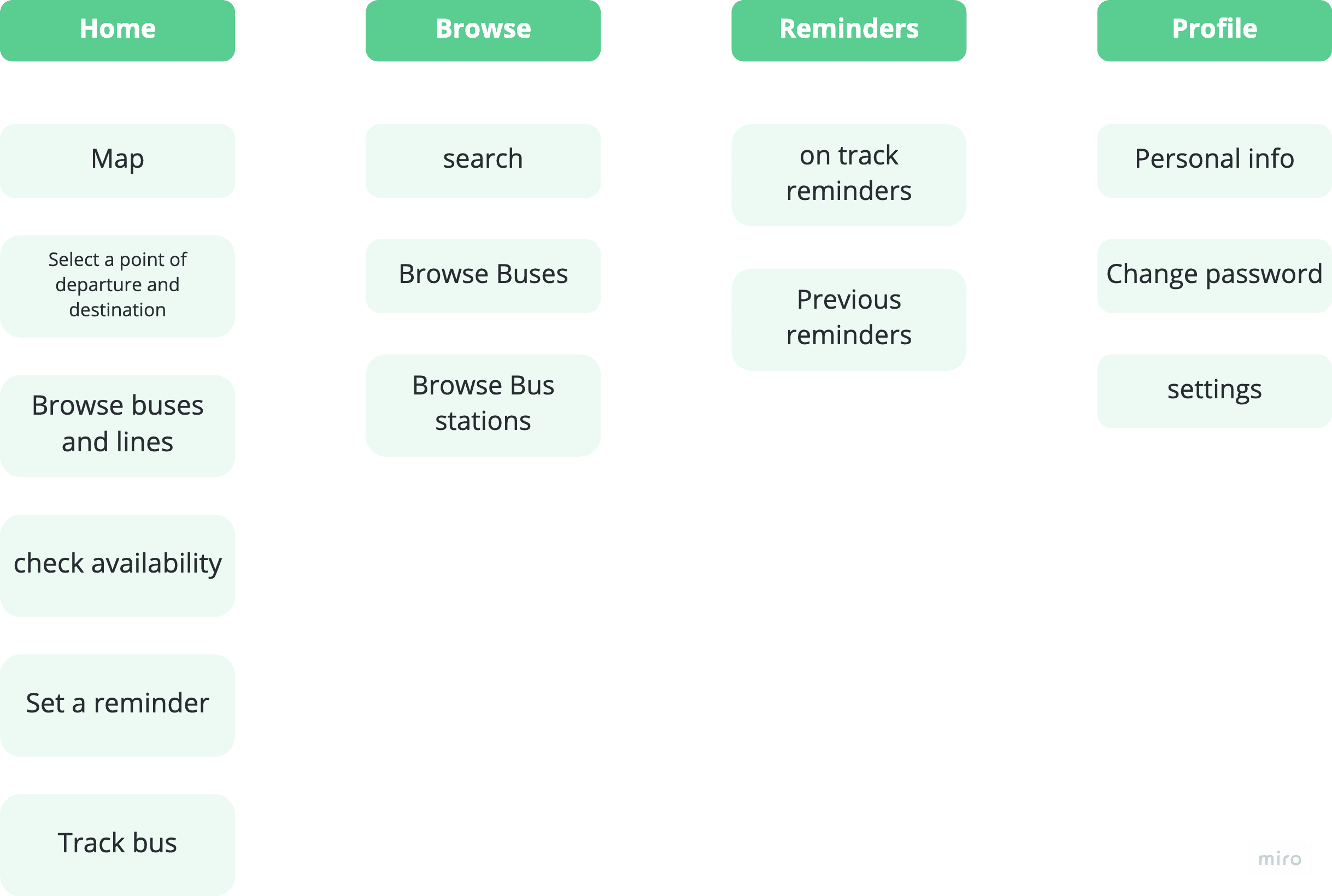
Card Sorting

Card sorting was done to categorize all the features under different sections which will further help in organizing the information architecture.

Card sorting was done to categorize all the features under different sections which will further help in organizing the information architecture.

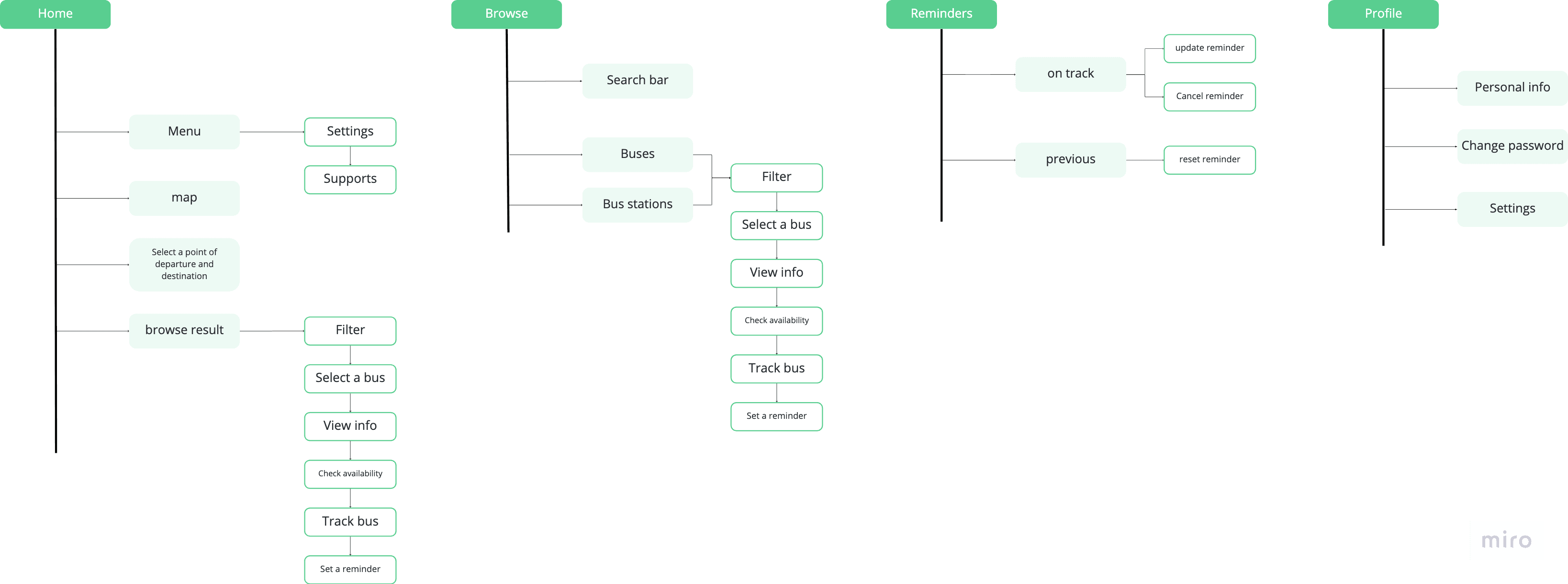
Information Architecture

The card sorting results were further refined to fit the goal of the application. some of the features were re-categorized to make them easier to find.

The card sorting results were further refined to fit the goal of the application. some of the features were re-categorized to make them easier to find.

Design Phase

Low fidelity wireframes

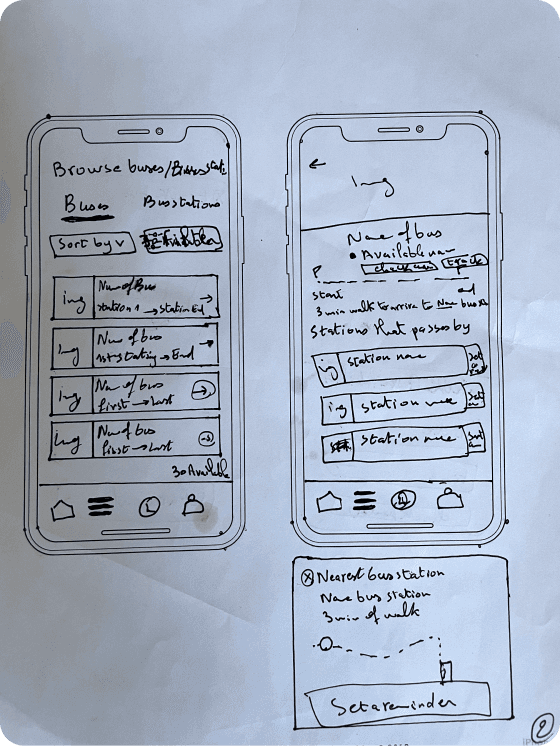
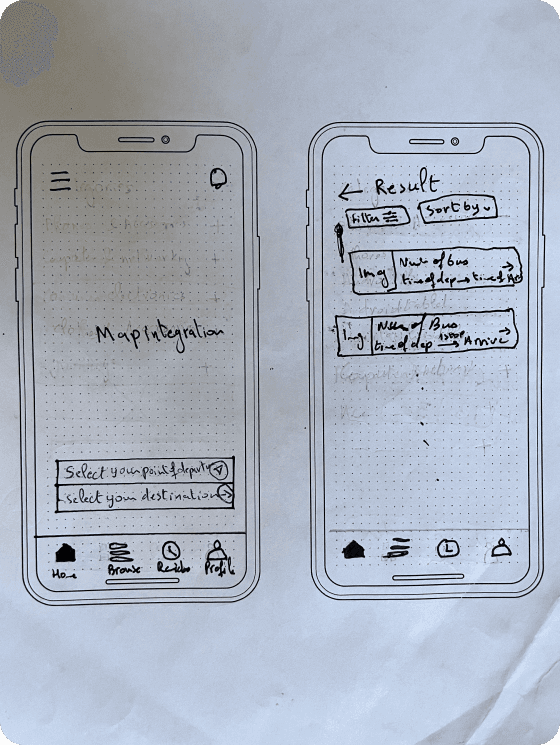
First, I sketched the low fidelity wireframes using papers and pens

First, I sketched the low fidelity wireframes using papers and pens

High fidelity wireframes

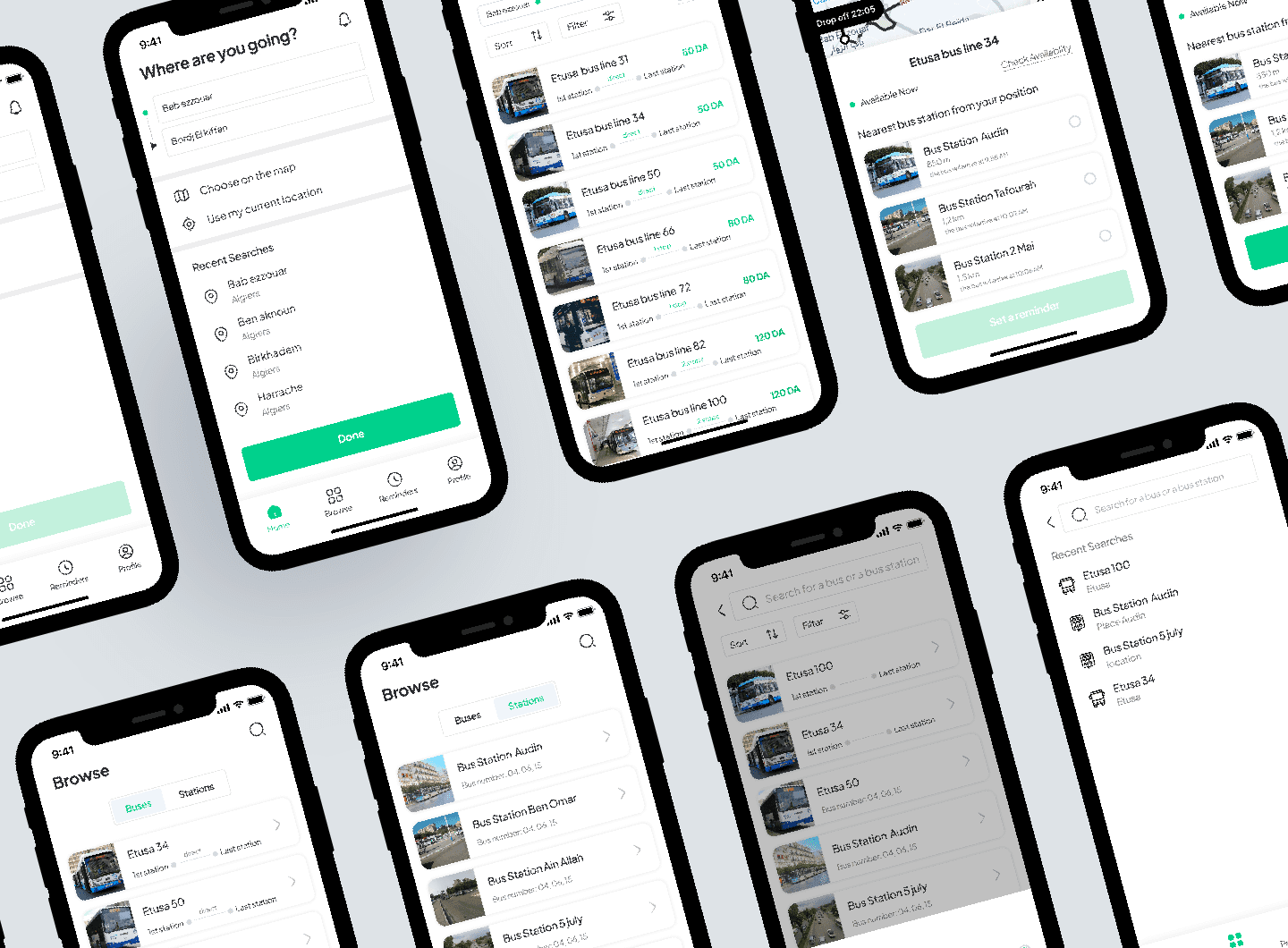
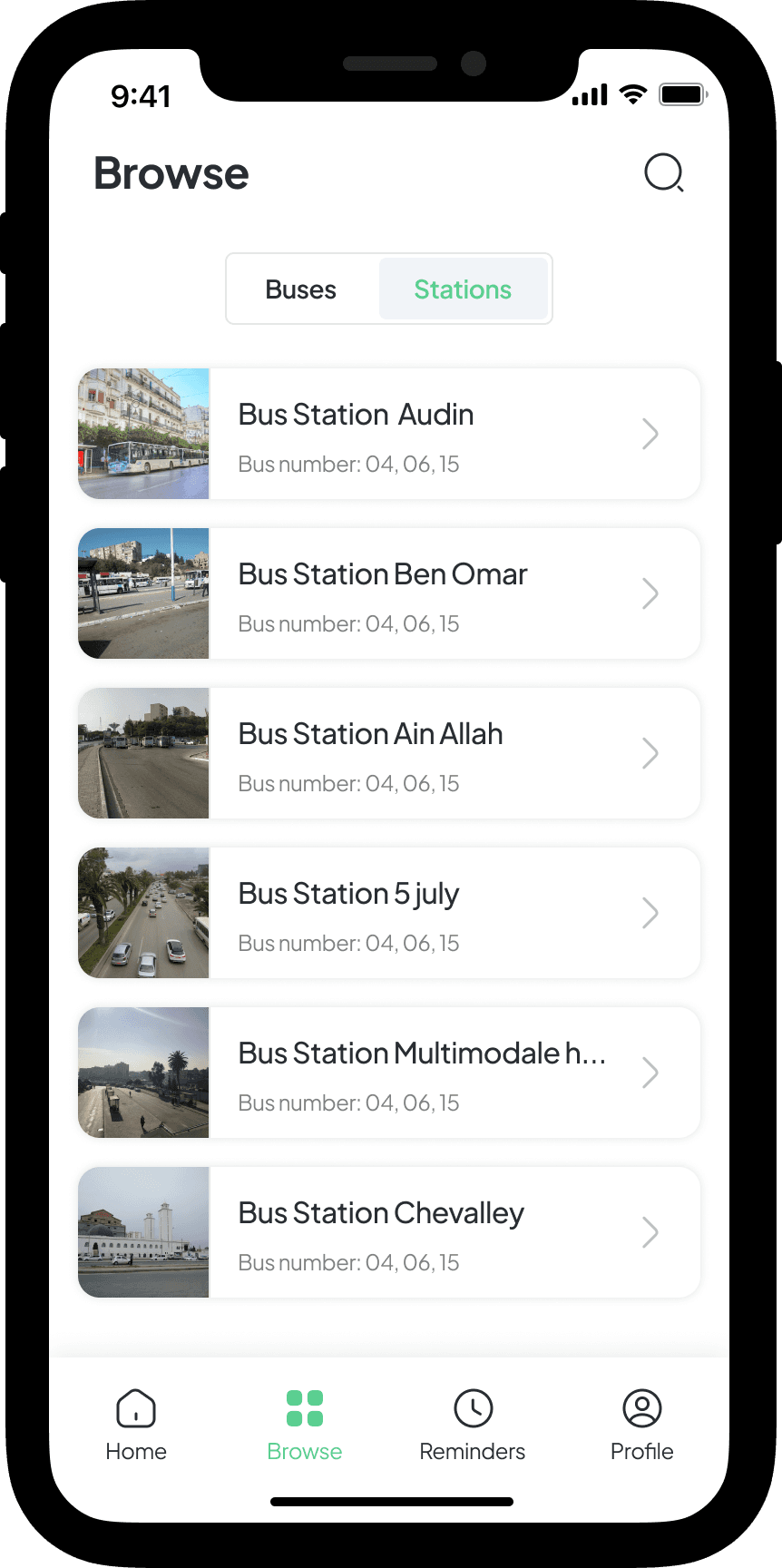
After making corrections in them as per iOS guidelines I moved on to designing these high- fidelity wireframes using Figma.

After making corrections in them as per iOS guidelines I moved on to designing these high- fidelity wireframes using Figma.

Test Phase

Usability Testing

After the visual design was completed I tested the design with 5 representative users to see how user friendly the application is. The test was conducted using 1-1 interviews where the participants were given the following tasks while I observed how they navigated through the application.

After the visual design was completed I tested the design with 5 representative users to see how user friendly the application is. The test was conducted using 1-1 interviews where the participants were given the following tasks while I observed how they navigated through the application.

Extend reminder/ cancel reminder

Extend reminder/ cancel reminder

set a reminder by two ways

set a reminder by two ways

Check availability

Check availability

The participants were able to navigate in the application fairly easily. the appreciate the interface and gave the following inputs.

The participants were able to navigate in the application fairly easily. the appreciate the interface and gave the following inputs.

- Notification to close/snooze reminder

- Notification to set the reminder

- the ability to track bus in a better way

- Notification to close/snooze reminder

- Notification to set the reminder

- the ability to track bus in a better way

Suggestion to make the experience better

Suggestion to make the experience better

Implementing Feedbacks

The suggestions from the usability testing were considered and the following changes were made

Implementing Feedbacks

The suggestions from the usability testing were considered and the following changes were made

Let's create something amazing
& extraordinary together.

Upgrade your Web presence with Framer

Create a free website with Framer, the website builder loved by startups, designers and agencies.